Understanding the Significance of Jacob's Reunion with Esau in Genesis 33:1-20
- inchristspiration

- May 16
- 3 min read
The story of Jacob meeting Esau after years of separation is one of the most powerful moments in the Bible. It reveals themes of reconciliation, forgiveness, and the restoration of broken relationships. Genesis 33:1-20 captures this reunion with vivid detail, showing how two brothers who once parted with anger and fear come together in peace. This Bible study explores the significance of this encounter, its background, and the lessons it offers for readers today.

The Background of Jacob and Esau's Separation
To fully appreciate Genesis 33, it is important to understand the history between Jacob and Esau. They were twin brothers, sons of Isaac and grandsons of Abraham. From birth, their relationship was marked by rivalry. Jacob, the younger, famously obtained Esau’s birthright and blessing through cunning means (Genesis 25:29-34; 27:1-40). This caused Esau to harbor deep resentment, leading Jacob to flee for his safety.
Jacob’s departure was not just physical but emotional. He left behind a fractured family and a brother who wanted to kill him. Years passed with no contact, and Jacob lived in fear of Esau’s possible revenge when he decided to return home.
Jacob’s Preparation for the Meeting
Before the reunion, Jacob took careful steps to prepare. In Genesis 32, he wrestled with God, receiving a new name, Israel, symbolizing transformation and divine blessing. He also sent gifts ahead to Esau to appease him and divided his family and possessions into groups to protect them in case of attack.
This preparation shows Jacob’s awareness of the tension and his desire to avoid conflict. It also reflects his growth from a man who once used deception to one who seeks peace and reconciliation.
The Encounter: A Moment of Grace
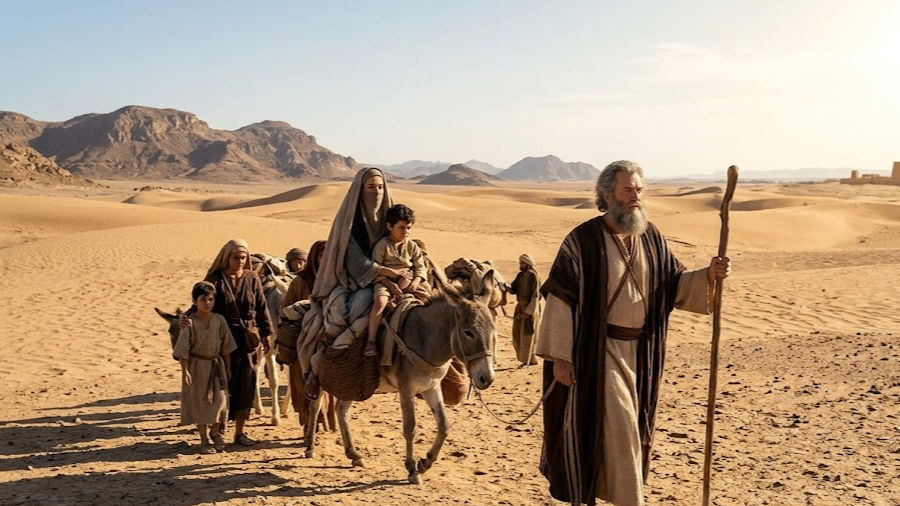
Genesis 33 opens with Jacob seeing Esau approaching with 400 men. The tension is palpable. Yet, instead of hostility, Esau runs to meet Jacob, embraces him, and kisses him. This unexpected act of forgiveness and love surprises Jacob, who bows down in humility.
This moment highlights several key points:
Esau’s forgiveness: Despite past wrongs, Esau chooses to forgive rather than seek revenge.
Jacob’s humility: Jacob no longer acts as a deceiver but humbly submits to his brother.
Restoration of relationship: The brothers reconcile, showing that broken relationships can be healed.
The Role of Gifts and Communication
Jacob’s gifts play an important role in the reunion. He offers Esau livestock as a peace offering, which Esau initially refuses but later accepts. This exchange symbolizes goodwill and the desire to restore trust.
Jacob also communicates openly, explaining his journey and the reasons for his gifts. This transparency helps rebuild the relationship and dispel fears.
Lessons from Jacob and Esau’s Reunion
This passage offers practical lessons for readers today:
Seek reconciliation actively: Like Jacob, taking steps to mend broken relationships is vital.
Forgive generously: Esau’s willingness to forgive shows the power of grace.
Approach with humility: Jacob’s bowing down reminds us that pride can hinder peace.
Use gifts and gestures wisely: Thoughtful actions can open doors to healing.
Trust in God’s guidance: Jacob’s wrestling with God prepared him spiritually for this moment.
The Aftermath and Its Meaning
After the reunion, Esau offers to accompany Jacob, but Jacob declines, choosing a slower pace for his family. They part on good terms, and Jacob settles in Shechem, where he builds an altar to God. This shows that reconciliation leads to new beginnings and renewed faith.
Jacob’s journey from fear to peace illustrates how God’s promises and human actions work together to restore relationships.


Comments