Understanding the Significance of Moses Return to Egypt in Exodus 4:18-31
- inchristspiration

- 2 days ago
- 3 min read
The story of Moses returning to Egypt marks a pivotal moment in the biblical narrative. After years of exile in Midian, Moses obeys God's command to confront Pharaoh and lead the Israelites out of slavery. This passage, found in Exodus 4:18-31, reveals much about Moses' character, God's faithfulness, and the unfolding plan for Israel's deliverance. Exploring this section closely helps us grasp the deeper meaning behind Moses' journey back to Egypt and its implications for faith and obedience.
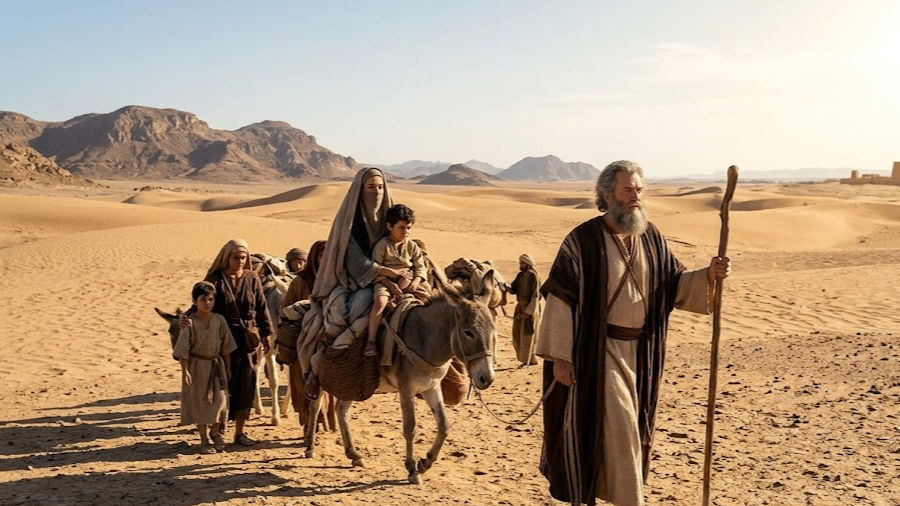
Moses' Preparation for the Journey
Before Moses sets out, he takes deliberate steps to prepare for the difficult mission ahead. Verse 18 tells us he returns to his father-in-law Jethro and asks for permission to leave, showing respect and responsibility toward his family. This moment highlights Moses' balance between obedience to God and honoring human relationships.
Moses also takes his wife Zipporah and their two sons with him. This inclusion of family underscores the personal cost and risks involved in following God's call. Moses does not embark on this journey alone; his family is part of the story, symbolizing the support and challenges that come with obedience.
The Mysterious Incident at the Inn
One of the most puzzling parts of this passage occurs in verses 24-26, where God seeks to kill Moses, but Zipporah intervenes by circumcising their son and touching Moses' feet with the foreskin. This strange event has sparked much debate among scholars.
The key to understanding this lies in the importance of the covenant of circumcision in Israelite identity. Moses had neglected this covenant for his son, and God's anger reflects the seriousness of this omission. Zipporah's quick action saves Moses, reaffirming the necessity of faithfulness to God's commands even in the smallest details.
This incident also shows God's holiness and the high standards required of His chosen leaders. Moses' mission depends on his full commitment to God's covenant, which includes obedience to all divine instructions.
God's Assurance and Moses' Obedience
After this intense encounter, Moses continues his journey to Egypt with renewed commitment. God reassures Moses through signs and promises that He will be with him. This reassurance is crucial because Moses faces a daunting task: confronting Pharaoh, the most powerful ruler of the time.
God's promise that He will help Moses perform miracles (such as turning his staff into a serpent) strengthens Moses' confidence. This divine support is a reminder that human weakness is met with God's power, enabling His plans to unfold.
Moses' obedience in returning to Egypt despite fear and uncertainty models faith in action. He trusts God's guidance and moves forward, even when the path is unclear.
The Role of Aaron as a Helper
In verses 27-31, God instructs Moses to meet Aaron, his brother, who will assist him in speaking to Pharaoh and the Israelites. Aaron's role as a spokesperson complements Moses' leadership, showing the importance of teamwork in fulfilling God's purposes.
This partnership also reflects God's provision for Moses' weaknesses, particularly his difficulty with speech. By providing Aaron, God ensures that Moses will have the support needed to communicate effectively.
Together, Moses and Aaron represent God's chosen instruments to challenge oppression and lead the people toward freedom.
The Impact on the Israelites
When Moses and Aaron arrive in Egypt, they gather the Israelite elders and share God's message of deliverance. The people's response is one of faith and worship, as they recognize God's intervention through Moses.
This moment marks the beginning of a dramatic shift for Israel. The return of Moses signals hope and the promise of liberation from slavery. It also sets the stage for the confrontations with Pharaoh that will follow.
The people's acceptance of Moses as God's messenger shows the power of obedience and trust in God's plan.
Lessons from Moses' Return for Today
Moses' journey back to Egypt offers several practical lessons for modern readers:
Obedience requires courage: Moses faced danger and uncertainty but chose to obey God's call. Faith often demands stepping into the unknown with trust.
Faithfulness includes small details: The incident with Zipporah reminds us that commitment to God involves all aspects of life, not just major decisions.
God equips His servants: Moses was not perfect, but God provided help through Aaron and miraculous signs. We can rely on God's strength in our weaknesses.
Community matters: Moses did not act alone. His family and brother played vital roles, showing that fulfilling God's purposes often involves others.
God's promises bring hope: Even in difficult circumstances, God's assurance empowers us to move forward.


Comments