Understanding Moses Flees to Midian: A Deep Dive into Exodus 2:11-22
- inchristspiration

- 3 days ago
- 3 min read
The story of Moses fleeing to Midian is a pivotal moment in the biblical narrative. It marks a turning point in Moses’ life and sets the stage for his future role as the deliverer of Israel. This passage, found in Exodus 2:11-22, reveals much about Moses’ character, the challenges he faced, and God’s providence in guiding his journey. Exploring these verses helps us understand the significance of this episode and its lessons for faith and leadership.

Moses’ Identity Crisis and the Moment of Action
At the beginning of this passage, Moses is described as a grown man who sees the suffering of his people, the Israelites, under Egyptian oppression. He witnesses an Egyptian beating a Hebrew, and in response, Moses kills the Egyptian and hides the body. This act reveals Moses’ deep identification with his people and his sense of justice. Yet, it also shows his impulsiveness and lack of readiness for the mission God has for him.
Moses’ dual identity: Raised as an Egyptian prince but born a Hebrew, Moses struggles with where he belongs.
The killing of the Egyptian: This violent act is Moses’ attempt to defend his people but leads to consequences he did not anticipate.
Fear and flight: When Pharaoh learns of the incident, Moses must flee for his life, showing how his actions have immediate repercussions.
This moment highlights the tension between Moses’ desire to act and the need for God’s timing and guidance. It reminds readers that even well-intentioned actions can lead to difficult outcomes if not aligned with God’s plan.
The Journey to Midian and God’s Providence
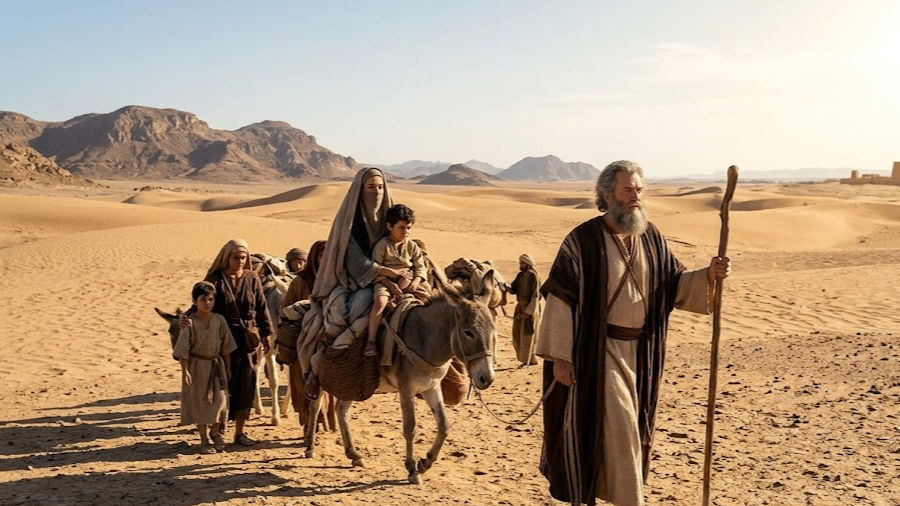
Moses’ flight to Midian is not just an escape but a divinely orchestrated step in his preparation. Midian is a foreign land, a place of exile but also refuge. The narrative shows how God uses this period to shape Moses’ character and prepare him for future leadership.
Midian as a place of transformation: Moses moves from a prince in Egypt to a shepherd in Midian, a humbling change that teaches patience and dependence on God.
God’s unseen guidance: Although God is not explicitly mentioned in these verses, His providence is evident in how Moses’ path unfolds.
The significance of the well: Wells in biblical times were vital for survival and community. Moses’ encounter at the well symbolizes new beginnings and God’s provision.
This part of the story encourages readers to trust God’s timing and recognize that periods of waiting or exile can be opportunities for growth and preparation.
Moses Meets Zipporah and Finds a New Family
In Midian, Moses encounters the daughters of Jethro, the priest of Midian, who come to draw water at the well. When shepherds try to drive them away, Moses defends them and waters their flock. This act of kindness leads to Moses being invited to Jethro’s home, where he marries Zipporah and starts a new chapter in his life.
Hospitality and acceptance: Moses is welcomed into a new community, showing how God provides support in unfamiliar places.
Marriage to Zipporah: This union connects Moses to Midian and introduces him to a family that will play a role in his story.
The role of Jethro: As a priest, Jethro represents spiritual wisdom and guidance, which will later influence Moses.
This section illustrates how God uses relationships to sustain and prepare His servants. It also shows the importance of kindness and courage in building new connections.
Lessons from Moses’ Flight for Today
The story of Moses fleeing to Midian offers practical lessons for anyone facing challenges or transitions:
Courage to act with justice: Moses stood up for what was right, even at great personal risk.
Trust in God’s timing: Moses’ journey was not straightforward, but God’s plan was unfolding behind the scenes.
Embrace seasons of waiting: Times of exile or waiting can be formative and necessary for growth.
Value new relationships: God often provides support through unexpected people and places.
Prepare for future calling: Moses’ time in Midian equipped him for the leadership role ahead.
By reflecting on this passage, readers can find encouragement to face their own challenges with faith and patience.


Comments