Understanding Joseph's Wisdom in Genesis 47:13-31 During the Famine
- inchristspiration

- 7 days ago
- 4 min read
The story of Joseph in Genesis 47:13-31 offers a powerful example of leadership, foresight, and faith during a time of crisis. As famine struck Egypt and the surrounding regions, Joseph’s strategic management not only saved a nation but also shaped the future of his family and the people under his care. This passage reveals how Joseph’s wisdom and God’s providence worked together to navigate scarcity and hardship.
This Bible study will explore the key themes and lessons from Genesis 47:13-31, focusing on Joseph’s actions during the famine, the economic and social impact of his policies, and the spiritual insights we can draw from this story today.
Joseph’s Role in Managing the Famine
The famine described in Genesis 47 was severe and widespread, affecting Egypt and Canaan. Joseph, who had risen to power as Pharaoh’s second-in-command, was responsible for managing the crisis. The passage begins with the acknowledgment that the famine was so intense that the people of Egypt ran out of money to buy grain.
Joseph’s response was practical and decisive:
He allowed the people to exchange their money for food.
When their money ran out, they traded livestock for grain.
Eventually, when livestock was gone, they offered their land and themselves as servants to Pharaoh in exchange for food.
This progression shows Joseph’s ability to adapt to the worsening situation while maintaining order and ensuring survival. His leadership prevented chaos and starvation by creating a system where resources were redistributed under Pharaoh’s authority.
Economic and Social Impact of Joseph’s Policies
Joseph’s management of the famine had significant economic and social consequences for Egypt:
Centralization of Land: By acquiring all the land except for that of the priests, Pharaoh became the sole landowner in Egypt. This centralization increased Pharaoh’s power and control over the country’s resources.
Dependence on Pharaoh: The people became dependent on Pharaoh for their livelihood, working the land as tenants and giving a fifth of their produce to him.
Preservation of the Priesthood: Joseph exempted the priests from this arrangement, allowing them to maintain their land and status, which helped preserve religious institutions.
This system ensured that Egypt could survive the famine and rebuild afterward, but it also changed the social structure, concentrating wealth and power in Pharaoh’s hands. Joseph’s policies reflect a balance between practical governance and respect for existing social and religious roles.

Joseph’s Faith and God’s Providence
Throughout this passage, Joseph’s faith in God is evident. His wisdom and success are not portrayed as merely human achievements but as part of God’s plan to save many lives. Joseph himself acknowledges this in earlier chapters, recognizing that God sent him ahead to preserve life.
Key spiritual lessons include:
Trust in God’s Timing: Joseph’s preparation during years of plenty allowed Egypt to endure years of famine. This teaches the importance of foresight and trusting God’s timing.
God’s Sovereignty in Crisis: Even in difficult times, God’s hand guides events for a greater purpose.
Faith in Action: Joseph’s faith was active, expressed through wise decisions and leadership, not passive waiting.
This passage encourages believers to combine faith with practical action, trusting God while using the resources and wisdom He provides.
Lessons for Today’s Readers
Joseph’s story in Genesis 47:13-31 offers several lessons relevant to modern readers facing challenges:
Plan Ahead for Hard Times: Just as Joseph stored grain during good years, individuals and communities can prepare for future difficulties through wise planning and saving.
Adaptability in Crisis: Joseph adjusted his policies as the famine worsened, showing the importance of flexibility and responsiveness.
Leadership with Compassion: Joseph’s policies balanced survival with fairness, showing that leadership should protect and serve people’s needs.
Faith and Practicality Together: Trusting God does not mean ignoring reality; it means acting wisely with the resources and knowledge available.
These principles apply to personal finances, community leadership, and spiritual growth.
The Significance of Joseph’s Family in Egypt
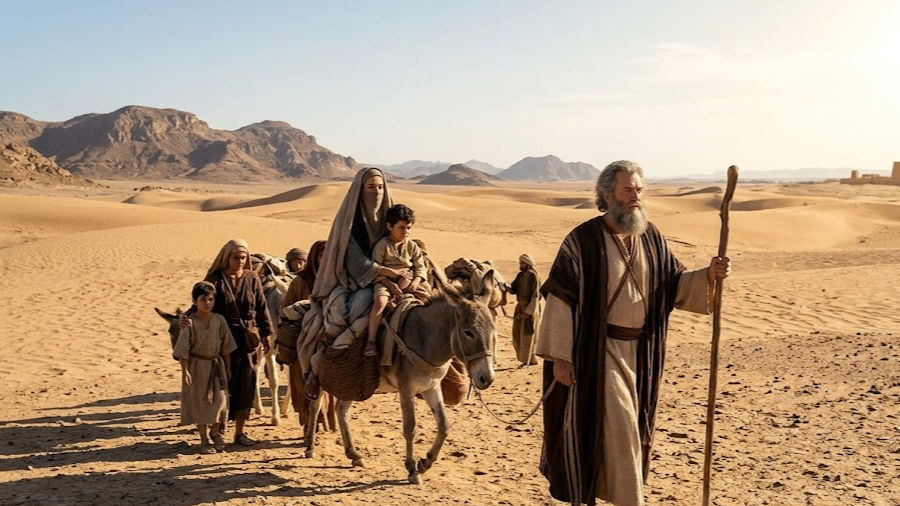
The passage also highlights Joseph’s care for his family. He brought his father Jacob and brothers to Egypt, providing them with land in Goshen, a fertile region suitable for their livestock. This act ensured their survival and prosperity during the famine.
This part of the story shows:
Family Responsibility: Joseph honored his family by securing a safe place for them.
God’s Promise Fulfilled: The move to Egypt set the stage for the fulfillment of God’s promises to Abraham about his descendants.
Integration and Identity: The family maintained their identity while living in a foreign land, balancing integration with faithfulness to God.
Joseph’s example encourages believers to care for their families and trust God’s promises even in uncertain circumstances.
Reflection on God’s Provision and Human Responsibility
Genesis 47:13-31 teaches that God provides for His people, but He often works through human responsibility and wise stewardship. Joseph’s story is a reminder that faith involves action, planning, and leadership.
Consider these reflective questions:
How can you prepare wisely for future challenges in your life?
In what ways can you balance faith and practical action?
How does Joseph’s example inspire your approach to leadership or family care?


Comments