Understanding Isaac and Abimelech: A Comprehensive Bible Study on Genesis 26:6-35
- inchristspiration

- May 12
- 3 min read
The story of Isaac and Abimelech in Genesis 26:6-35 offers rich lessons about faith, integrity, conflict, and God's providence. This passage reveals how Isaac navigates challenges in a foreign land, maintains his trust in God, and experiences divine blessing despite opposition. This study will explore the key events, themes, and spiritual insights from this chapter, helping readers apply its truths to their own lives.

Isaac’s wells in the land of Gerar symbolize perseverance and God’s provision amid adversity.
Isaac’s Return to Gerar and His Deception (Genesis 26:6-11)
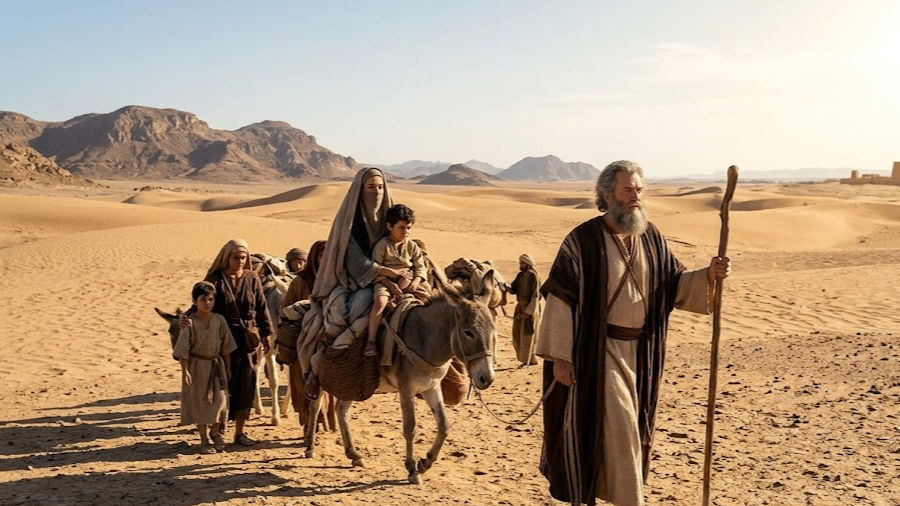
After the death of Abraham, Isaac settles in Gerar, a Philistine territory ruled by King Abimelech. Like his father before him, Isaac fears for his life because of his wife Rebekah’s beauty. He tells the people that she is his sister, not his wife. This deception mirrors Abraham’s earlier actions but raises questions about trust and fear.
Isaac’s fear: He worries that the men of Gerar will kill him to take Rebekah.
The lie about Rebekah: Isaac’s choice to hide the truth reflects human weakness and fear.
God’s protection: Despite Isaac’s deception, God protects him and Rebekah, preventing harm.
This episode challenges readers to consider how fear can lead to poor decisions, even among faithful people. It also shows God’s grace in protecting His promises despite human flaws.
God’s Blessing on Isaac (Genesis 26:12-16)
Isaac’s life in Gerar contrasts with the famine in the land. He plants crops and harvests a hundredfold, demonstrating God’s blessing on his obedience and faith.
Prosperity in famine: Isaac’s success during difficult times highlights God’s ability to provide abundantly.
Growing wealth and influence: Isaac becomes very wealthy, which causes envy among the Philistines.
Conflict over wells: The Philistines stop up the wells Abraham’s servants had dug, showing tension over resources.
Isaac’s prosperity reminds readers that God can bless His people even in challenging circumstances. It also introduces the theme of conflict over God’s provision.
Conflict Over Wells and Isaac’s Response (Genesis 26:17-22)
Isaac moves away from Gerar to avoid conflict, reopening his father’s wells and digging new ones. However, the herdsmen of Gerar quarrel with him over water rights.
Wells as a symbol: Wells represent life, sustenance, and inheritance.
Repeated disputes: Isaac faces opposition but does not retaliate aggressively.
Naming the wells: Isaac names the wells to mark his peaceful persistence:
- Esek (contention)
- Sitnah (enmity)
- Rehoboth (room or broad places)
Isaac’s peaceful approach teaches the value of patience and perseverance in the face of conflict. He chooses to avoid strife and trusts God to provide space and peace.
God’s Confirmation and Covenant with Isaac (Genesis 26:23-25)
After moving to Beersheba, God appears to Isaac and reaffirms the covenant made with Abraham.
Divine reassurance: God tells Isaac not to fear and promises to bless him and multiply his descendants.
Building an altar: Isaac worships God, showing his faith and gratitude.
Living in obedience: This encounter strengthens Isaac’s trust and commitment.
This moment emphasizes God’s faithfulness across generations and encourages believers to trust God’s promises even when circumstances are uncertain.
The Treaty Between Isaac and Abimelech (Genesis 26:26-31)
King Abimelech visits Isaac to make a peace treaty after hearing about God’s blessing on Isaac.
Mutual respect: Abimelech acknowledges God’s presence with Isaac.
Covenant of peace: They agree not to harm each other or their descendants.
Restoring wells: Abimelech returns the wells Isaac’s servants had dug.
This treaty shows how God’s blessing can lead to reconciliation and peace between former enemies. It also highlights the importance of integrity and honoring agreements.
Isaac’s Prosperity and Legacy (Genesis 26:32-35)
The chapter closes with a summary of Isaac’s prosperity and his family life.
Wealth and influence: Isaac’s success continues to grow.
Marriage of Esau: Esau marries two Hittite women, which causes grief to Isaac and Rebekah.
Family challenges: This reminds readers that even blessed families face difficulties.
Isaac’s story encourages believers to seek God’s blessing and guidance in family matters and to remain faithful despite challenges.
Key Lessons from Isaac and Abimelech’s Story
Trust God in fear: Isaac’s initial fear led to deception, but God’s protection remained. Trusting God fully avoids unnecessary fear.
God blesses obedience: Isaac’s faithfulness in farming during famine shows God’s power to bless and provide.
Peace over conflict: Isaac’s choice to avoid quarrels and seek peace with Abimelech teaches the value of patience and reconciliation.
God’s faithfulness spans generations: The covenant with Isaac confirms God’s ongoing commitment to His promises.
Family challenges are part of life: Even godly families face struggles, but God’s blessing sustains them.


Comments