Understanding Genesis 47:1-12 | The Significance of Jacob's Family Settling in Goshen
- inchristspiration

- May 26
- 4 min read
The story of Jacob's family settling in Goshen, found in Genesis 47:1-12, marks a pivotal moment in biblical history. This passage reveals how Joseph, now a powerful leader in Egypt, brings his family to a place of safety and prosperity during a severe famine. The move to Goshen is more than a simple relocation; it carries deep spiritual, cultural, and historical significance. This study explores the context, meaning, and implications of this event, offering insights that resonate with readers today.

The Context of Genesis 47:1-12
The chapter opens with Joseph presenting his family to Pharaoh. Egypt is in the grip of a famine that has devastated the surrounding regions. Joseph, having risen to power as Pharaoh’s trusted advisor, has prepared Egypt by storing grain during seven years of plenty. His foresight saves many lives, including those of his own family.
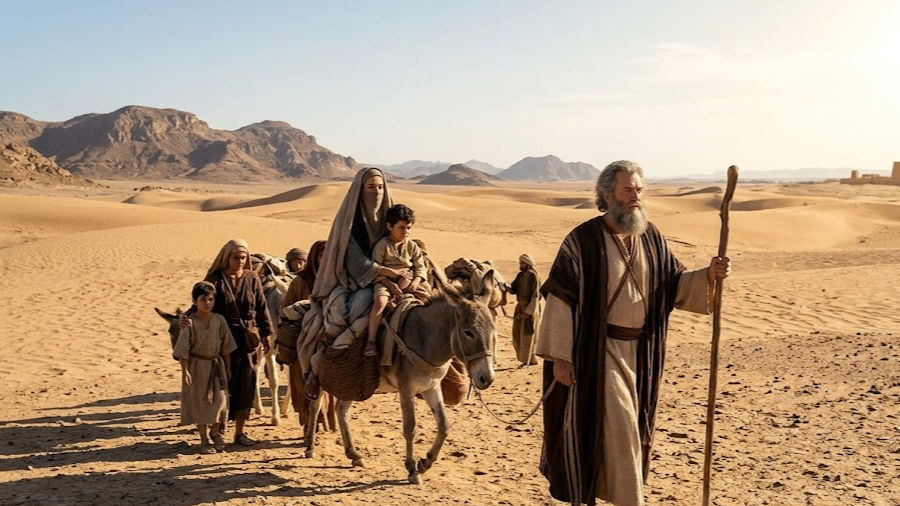
Jacob’s family, numbering seventy people, arrives in Egypt seeking refuge. This moment is the culmination of a long journey that began with Joseph’s earlier separation from his brothers and eventual rise in Egypt. The family’s move to Goshen is a strategic and symbolic act, reflecting both survival and divine providence.
Why Goshen Was Chosen for Jacob’s Family
Goshen was located in the northeastern part of Egypt, near the Nile Delta. It was known for its fertile land, ideal for raising livestock, which was the primary occupation of Jacob’s family. This choice was practical and respectful of their way of life.
Pharaoh’s offer to settle Jacob’s family in Goshen shows his favor and trust in Joseph’s family. It also highlights the integration of the Israelites into Egyptian society, setting the stage for future developments in the biblical narrative.
Key Reasons for Settling in Goshen
Fertile Land: Goshen’s rich soil supported agriculture and livestock, essential for Jacob’s family.
Strategic Location: Close enough to Egypt’s centers of power but distinct enough to maintain their identity.
Political Favor: Pharaoh’s invitation signified protection and status within Egypt.
The Interaction Between Joseph, Jacob, and Pharaoh
Joseph’s introduction of his family to Pharaoh is respectful and formal. He acknowledges Pharaoh’s authority and expresses gratitude for the opportunity to settle in Egypt. Pharaoh’s response is generous, offering the best land to Jacob’s family.
Jacob’s blessing of Pharaoh is a significant moment. It shows Jacob’s recognition of Pharaoh’s power and the divine hand guiding these events. This interaction reflects mutual respect and the blending of two cultures under God’s plan.
Spiritual and Theological Insights
The settlement in Goshen is not just a historical event but a demonstration of God’s faithfulness. Despite hardships, God provides a place for His people to thrive. This passage illustrates themes of:
Provision: God’s care in times of famine.
Protection: Safety under Pharaoh’s rule.
Promise: The continuation of God’s covenant with Abraham’s descendants.
Jacob’s family’s move to Goshen foreshadows the Israelites’ later experiences in Egypt, including their eventual bondage and deliverance. It reminds readers that God’s plans often unfold through complex and challenging circumstances.
Practical Lessons from Genesis 47:1-12
This passage offers valuable lessons for readers today:
Trust in God’s Provision: Like Joseph’s preparation and God’s guidance, planning and faith go hand in hand.
Respect for Authority: Joseph and Jacob’s respectful approach to Pharaoh models humility and wisdom.
Adaptability: Jacob’s family adapts to new circumstances without losing their identity.
Community Support: The family’s unity and support during hardship highlight the strength found in community.
The Role of Joseph as a Leader
Joseph’s leadership is central to this story. His ability to interpret dreams, manage resources, and navigate political structures saves many lives. His role bridges the gap between his family and the Egyptian world, showing how faith and skill can work together.
Joseph’s example encourages readers to use their talents wisely and serve others, especially in difficult times.
The Significance of Jacob’s Blessing on Pharaoh
Jacob’s blessing on Pharaoh is a rare moment where a Hebrew patriarch blesses a foreign ruler. This act symbolizes the recognition of God’s sovereignty over all nations. It also shows Jacob’s faith that God’s plan includes the welfare of Egypt through Pharaoh’s reign.
This blessing sets a tone of peace and cooperation, which contrasts with later tensions between the Israelites and Egyptians.
The Impact on Israel’s Future
Settling in Goshen marks the beginning of a new chapter for Israel. It provides a safe haven during famine but also leads to their growth in Egypt. This growth eventually results in their enslavement, setting the stage for the Exodus.
Understanding this passage helps readers see how God’s promises unfold over time, often through unexpected paths.
Summary of Key Points
Joseph brings his family to Egypt during famine.
Pharaoh grants them the fertile land of Goshen.
Jacob blesses Pharaoh, acknowledging God’s sovereignty.
The move symbolizes God’s provision and protection.
Joseph’s leadership bridges two cultures.
The event sets the stage for Israel’s future in Egypt.
This passage encourages readers to trust God’s timing and provision, respect leadership, and remain faithful through change. The story of Jacob’s family settling in Goshen reminds us that even in hardship, God prepares a place for His people to thrive.


Comments