Understanding Esau's Decision: A Deep Dive into Genesis 28:6-9 and Its Implications
- inchristspiration

- May 13
- 3 min read
The story of Esau marrying an Ishmaelite woman in Genesis 28:6-9 offers a rich moment for reflection on family dynamics, cultural identity, and spiritual consequences. This passage reveals more than just a family event; it exposes tensions between personal choices and divine expectations. Exploring these verses helps us understand Esau's motivations, the impact on his relationship with his parents, and the broader implications for his lineage.

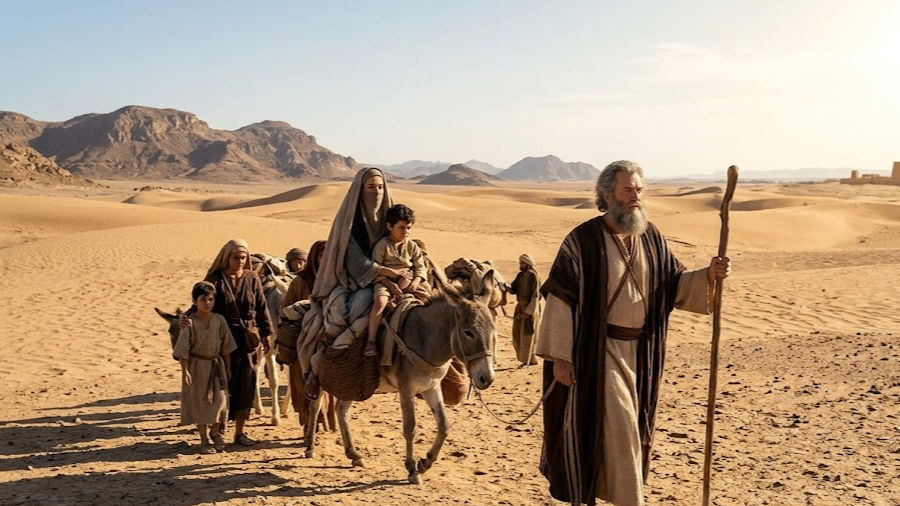
Esau’s marriage setting in a desert region, reflecting the cultural and geographical context of his wives.
Context of Genesis 28:6-9
Before this passage, Esau had already married two Hittite women, which displeased his parents, Isaac and Rebekah. Their concern stemmed from the fear that these marriages would pull Esau away from the family’s covenantal promises. In Genesis 28:6-9, Esau takes a further step by marrying Mahalath, the daughter of Ishmael, Abraham’s son, which seems like an attempt to please his parents but also reflects complex family and cultural dynamics.
The Text of Genesis 28:6-9 (NIV)
"Esau realized that Isaac had blessed Jacob and sent him away to Paddan Aram to find a wife from there, and that when he blessed him, he commanded him, ‘Do not marry a Canaanite woman.’
So Esau went to Ishmael and married Mahalath, the sister of Nebaioth and daughter of Ishmael, Abraham’s son, in addition to the wives he already had."
This passage highlights Esau’s awareness of his parents’ wishes and his response to them, which is crucial for understanding his character and the unfolding family story.
Esau’s Motivation and Character
Esau’s decision to marry Mahalath can be seen as an attempt to regain favor with his parents after their displeasure with his earlier marriages. This action shows:
Awareness of parental expectations: Esau knew Isaac preferred that his sons marry within their extended family or at least outside the Canaanite culture.
Desire for approval: His choice to marry Mahalath, an Ishmaelite, suggests he wanted to align more closely with his family’s heritage.
Complex identity: Despite this, Esau did not fully abandon his previous wives, indicating a tension between personal desires and family loyalty.
Esau’s actions reveal a man caught between his own choices and the expectations of his family and faith tradition.
The Significance of Marrying an Ishmaelite
Marrying Mahalath, an Ishmaelite, carries several layers of meaning:
Connection to Abraham’s lineage: Ishmael was Abraham’s son, making Mahalath part of the broader Abrahamic family, though not part of the covenant line through Isaac.
Cultural and spiritual implications: The Ishmaelites were often seen as distinct from the Israelites, and this marriage may have been a compromise between Esau’s earlier choices and his parents’ wishes.
Family dynamics: This marriage could be interpreted as Esau’s attempt to bridge the gap between his parents’ expectations and his own preferences.
This decision reflects the complex interplay of family loyalty, cultural identity, and spiritual heritage.
Parental Displeasure and Family Tensions
Isaac and Rebekah’s reaction to Esau’s marriages is a key element in this story. Their displeasure is not just about ethnicity but about the spiritual and covenantal implications:
Rebekah’s favoritism: She favored Jacob, who followed the family’s spiritual path, while Isaac was distressed by Esau’s choices.
Impact on family unity: Esau’s marriages to Canaanite women and then an Ishmaelite woman created tension and division within the family.
Long-term consequences: These tensions set the stage for future conflicts between Esau and Jacob, affecting the destiny of their descendants.
Understanding these family dynamics helps us grasp the deeper meaning behind Esau’s marriage choices.
Lessons from Esau’s Choices
Esau’s story offers several practical lessons for readers today:
The importance of aligning personal choices with family and spiritual values: Esau’s initial disregard for his parents’ wishes led to conflict and loss of blessing.
The complexity of cultural identity: Navigating family heritage and personal desires can be challenging, especially when cultural and spiritual expectations differ.
The consequences of seeking approval: Esau’s attempt to please his parents by marrying Mahalath shows that approval-seeking can lead to complicated compromises.
These lessons encourage reflection on how we make decisions that affect our relationships and spiritual paths.
The Broader Biblical Context
Esau’s marriages and family tensions fit into the larger biblical narrative about God’s covenant and the chosen lineage:
The covenant with Abraham: God’s promises were passed through Isaac and Jacob, not Ishmael or Esau.
The significance of marriage: Marriages in the Bible often symbolize alliances and spiritual commitments.
The unfolding of God’s plan: Despite human choices and conflicts, God’s plan for the covenant people continues.
This passage reminds readers that personal decisions have spiritual and historical significance.


Comments