God's Protection in the Wilderness: A Deep Dive into Genesis 21:8-21
- inchristspiration

- May 9
- 3 min read
The story of Hagar and Ishmael in Genesis 21:8-21 offers a powerful example of God's care and protection, even in the most desperate and lonely situations. This passage reveals how God watches over those who feel abandoned and vulnerable, providing hope and guidance when human support fails. Exploring this narrative helps us understand the nature of divine protection and the assurance it brings to believers facing their own wilderness moments.
The Context of Genesis 21:8-21
Before examining the passage, it is important to understand the background. Ishmael is the son of Abraham and Hagar, Sarah’s Egyptian servant. Though Ishmael was Abraham’s first son, God had promised Abraham that Sarah would bear a son through whom His covenant would be established. When Isaac was born, tensions arose between Sarah and Hagar, leading to Hagar and Ishmael being sent away.
Genesis 21:8-21 describes what happens after Isaac’s weaning celebration, when Sarah sees Ishmael mocking Isaac. Sarah demands Abraham send Hagar and Ishmael away. Though distressed, Abraham obeys God’s reassurance and sends them into the wilderness. This sets the stage for God’s intervention.
The Human Reality of Rejection and Desertion
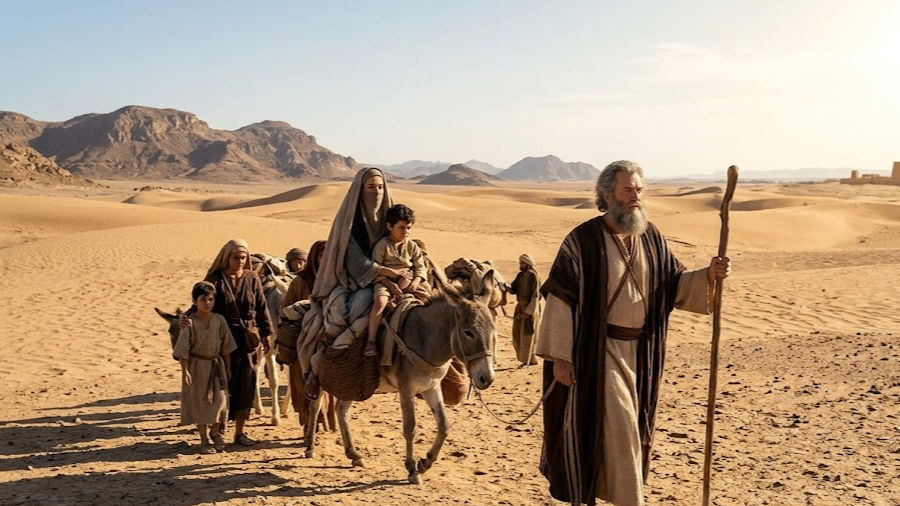
The wilderness in this story symbolizes a place of hardship and isolation. Hagar and Ishmael face physical danger, scarcity of water, and emotional despair. When their water runs out, Hagar fears for her son’s life and leaves him under a bush, overwhelmed by grief.
This moment captures the raw human experience of feeling abandoned and helpless. Many readers can relate to times when life’s challenges seem overwhelming, and support feels absent. The wilderness becomes a metaphor for those seasons of struggle.
God’s Response to Hagar’s Distress
Despite the bleak situation, God does not abandon Hagar and Ishmael. An angel calls to Hagar from heaven, offering reassurance and instructions:
Do not fear: God’s message begins with comfort, reminding Hagar that she and her son are not forgotten.
Lift the boy up: Hagar is told to take action, to care for Ishmael and keep him alive.
God will make Ishmael into a great nation: This promise echoes the covenant God made with Abraham, extending it to Ishmael’s descendants.
This divine encounter shows that God sees the suffering and responds with compassion and a plan for the future.
The Provision of Water and Sustenance
Following the angel’s message, God opens Hagar’s eyes to a well of water. This provision is both literal and symbolic:
Literal: The water sustains Hagar and Ishmael physically, saving their lives in the desert.
Symbolic: Water represents God’s ongoing care and the hope that sustains believers through difficult times.
This moment highlights how God provides for needs in unexpected ways, often when human resources are exhausted.

The Growth of Ishmael and God’s Faithfulness
The passage concludes with Ishmael growing up in the wilderness, becoming an archer, and living in the desert. God remains with him as he matures, fulfilling His promise to make Ishmael a great nation.
This outcome teaches several lessons:
God’s promises endure: Even when circumstances seem hopeless, God’s word remains true.
Growth in hardship: Ishmael’s development in the wilderness shows that challenges can shape strength and character.
Divine presence in isolation: God’s presence is not limited to places of comfort but extends into the wilderness seasons of life.
Practical Lessons from Genesis 21:8-21
This passage offers valuable insights for readers today:
Trust God in difficult times: Like Hagar, we can face moments of fear and uncertainty, but God’s care is constant.
Look for God’s provision: Sometimes help comes in unexpected forms, such as a new opportunity, a supportive person, or renewed strength.
God sees the overlooked: Hagar and Ishmael were marginalized, yet God noticed and acted on their behalf. This encourages us to trust God’s attention to those who feel forgotten.
Obedience brings blessing: Abraham’s willingness to send Hagar and Ishmael away, despite his distress, aligns with God’s plan and leads to blessing.
Applying the Story to Modern Life
Many people experience their own wilderness moments—times of loneliness, rejection, or scarcity. This story encourages believers to:
Seek God’s guidance when feeling lost or overwhelmed.
Hold on to hope that God’s promises will come to pass.
Support others who may feel abandoned or marginalized, reflecting God’s compassion.
Recognize God’s presence even in the hardest seasons.


Comments