Exploring Genesis 49:28-50:14 | The Significance of Jacob's Death and Burial
- inchristspiration

- 6 days ago
- 3 min read
The closing chapters of Genesis, specifically Genesis 49:28 through 50:14, present a powerful and moving account of Jacob’s final moments, his death, and the burial of both Jacob and his son Joseph. These passages mark the end of an era for the patriarchs of Israel and set the stage for the unfolding story of the Israelite people. This Bible study explores the spiritual, cultural, and theological significance of these events, highlighting how they reflect God’s faithfulness, the importance of family legacy, and the fulfillment of divine promises.
Jacob’s Final Blessing and Instructions (Genesis 49:28-33)
Jacob’s last words to his sons are more than a farewell; they are a prophetic blessing and a charge to honor their heritage. After blessing each son individually, Jacob commands them to bury him with his ancestors in the family tomb at Machpelah.
Significance of the Blessing
Jacob’s blessings reveal the character and future of each tribe. These prophetic words shape the identity of Israel’s twelve tribes and reflect God’s ongoing plan through Jacob’s descendants.
The Burial Command
Jacob’s insistence on burial in Canaan, rather than Egypt, underscores his faith in God’s promises to Abraham, Isaac, and himself. It symbolizes a deep connection to the Promised Land, even though Jacob dies in a foreign land.
Cultural Context
Burial customs in the ancient Near East emphasized family tombs as places of honor and remembrance. Jacob’s request reflects the importance of ancestral heritage and the hope of resurrection.
Jacob’s Death and Mourning (Genesis 50:1-14)
The narrative continues with Jacob’s death and the mourning rituals performed by his family. Joseph’s leadership during this time highlights themes of forgiveness, respect, and faithfulness.
Joseph’s Role
Joseph orders physicians to embalm Jacob’s body, a practice common in Egypt but foreign to the Israelites. This act shows Joseph’s respect for Egyptian customs while maintaining his identity as an Israelite.
The Mourning Period
The Egyptians mourn for seventy days, while Joseph’s family mourns for forty days. These periods reflect the blending of cultures and the deep sorrow felt by both Egyptians and Israelites.
The Journey to Canaan
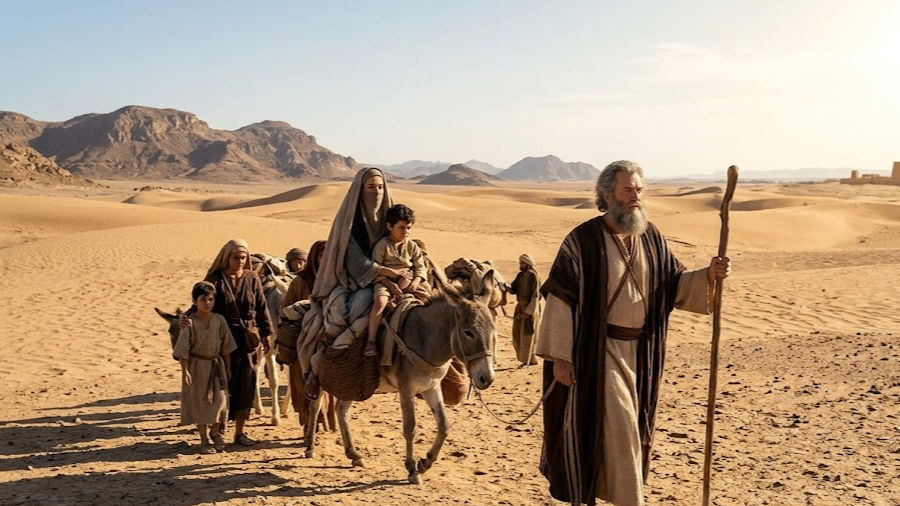
Joseph leads a large procession to bury Jacob in the Cave of Machpelah, fulfilling Jacob’s wishes. This journey is significant as it demonstrates obedience to God’s promises and respect for family heritage.

Theological Themes in Jacob’s Death and Burial
Several key theological themes emerge from this passage that deepen our understanding of God’s relationship with His people.
Faithfulness to God’s Promises
Jacob’s burial in Canaan confirms the ongoing fulfillment of God’s covenant with Abraham. Despite living and dying in Egypt, the family’s return to the Promised Land for burial symbolizes trust in God’s plan.
Legacy and Identity
The emphasis on burial with ancestors highlights the importance of family legacy in Israelite identity. It connects the past, present, and future generations in a continuous story of God’s work.
God’s Sovereignty in Life and Death
The narrative shows that even in death, God’s purposes prevail. The careful observance of burial customs and mourning rituals reflects reverence for God’s design for life and death.
Joseph’s Leadership After Jacob’s Death (Genesis 50:15-21)
After Jacob’s death, Joseph faces a potential threat from his brothers, who fear retribution for their past actions. Joseph’s response reveals his character and God’s grace.
Forgiveness and Reconciliation
Joseph reassures his brothers, reminding them that God used their actions for good. His forgiveness restores family unity and reflects God’s mercy.
God’s Providence
Joseph’s words emphasize that God’s plan transcends human intentions. What was meant for harm, God turned into a blessing, preserving the family and the future nation.
The Death of Joseph and His Final Wishes (Genesis 50:22-26)
The chapter concludes with Joseph’s death and his instructions for his own burial.
Joseph’s Faith in God’s Promise
Joseph asks to be buried in Canaan, not Egypt, showing his hope in God’s promise to bring the Israelites back to the Promised Land.
A Testament to Future Hope
Joseph’s request points forward to the Exodus and the eventual settlement in Canaan, reinforcing the theme of God’s faithfulness across generations.
Practical Lessons from Jacob’s Death and Burial
This passage offers practical insights for readers today:
Honor Family Heritage
Recognize the value of family history and faith traditions. Like Jacob, we can find strength and identity in our spiritual heritage.
Trust God’s Promises
Even in difficult circumstances, hold on to God’s promises. Jacob and Joseph’s faith encourages us to trust God’s plan beyond our immediate situation.
Practice Forgiveness
Joseph’s example shows the power of forgiveness to heal relationships and bring peace.
Respect Life and Death
The careful observance of burial and mourning reminds us to treat life and death with reverence and dignity.


Comments