Exploring Genesis 42:1-38: The Journey of Joseph's Brothers to Egypt
- inchristspiration

- May 23
- 3 min read
The story of Joseph and his brothers is one of the most compelling narratives in the Bible, filled with drama, betrayal, and redemption. Genesis 42:1-38 marks a pivotal moment in this story, as Joseph's brothers travel to Egypt during a severe famine. This passage reveals deep themes of family dynamics, repentance, and God's providence. This study will explore the events, characters, and lessons found in these verses, offering practical insights for readers today.

The Context of the Journey
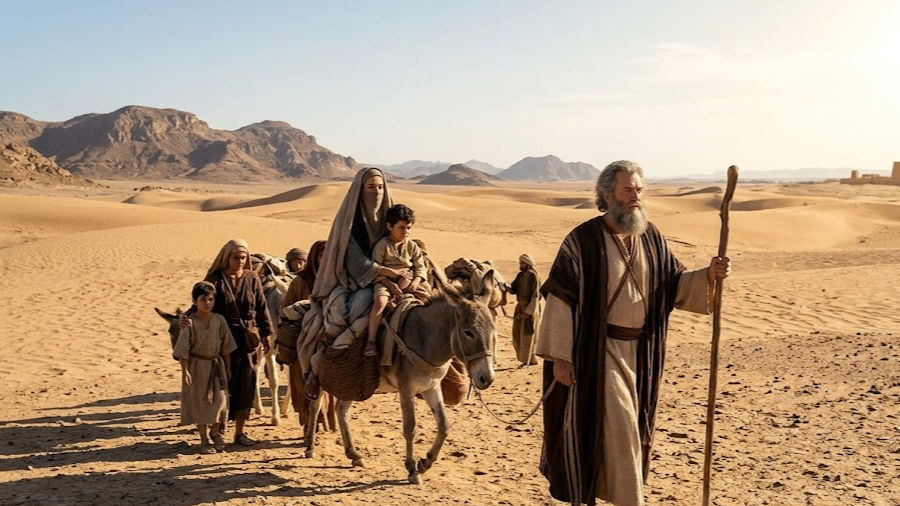
Before diving into the passage, it’s important to understand the background. Joseph, once sold into slavery by his brothers, has risen to power in Egypt as second-in-command to Pharaoh. Meanwhile, a severe famine strikes the land of Canaan, where Joseph’s family lives. This famine forces Joseph’s brothers to seek food in Egypt, setting the stage for a dramatic reunion.
The brothers’ journey is not just a physical trip but a spiritual and emotional one. They must confront their past actions and face the consequences of their betrayal.
The Brothers’ Decision to Go to Egypt (Genesis 42:1-5)
The famine affects the entire region, and Jacob, their father, instructs his sons to go to Egypt to buy grain. This decision is significant because it places the brothers in the hands of the very person they wronged—Joseph.
Key points to note:
Necessity drives the journey: The famine creates a desperate situation, showing how external circumstances can force difficult decisions.
Jacob’s hesitation: He is reluctant to send Benjamin, his youngest son, highlighting his protective nature and the family’s fragile state.
The brothers’ obedience: Despite past conflicts, they follow their father’s command, demonstrating a willingness to act for the family’s survival.
This part of the story sets the tone for the tension and uncertainty that will follow.
Arrival in Egypt and Encounter with Joseph (Genesis 42:6-17)
When Joseph’s brothers arrive in Egypt, they do not recognize him. Joseph, however, recognizes them immediately. This moment is charged with dramatic irony and emotional complexity.
Important elements include:
Joseph’s testing: He accuses them of being spies, a test to gauge their character and repentance.
The brothers’ fear and confusion: They are unaware of Joseph’s identity and are terrified by the accusation.
Demand for proof: Joseph insists they bring their youngest brother, Benjamin, to prove their honesty.
This interaction reveals Joseph’s careful approach to reconciliation. He does not immediately reveal himself but seeks evidence of change in his brothers.
The Brothers’ Response and Reflection (Genesis 42:18-24)
Joseph imprisons the brothers for three days, intensifying their distress. During this time, they reflect on their past actions and the consequences they face.
Key insights:
Guilt and remorse: The brothers express fear that their punishment is a result of their past sin against Joseph.
Judah’s leadership: Judah takes responsibility and speaks on behalf of the brothers, showing growth in character.
Joseph’s internal struggle: Though he hides his identity, Joseph is deeply moved by their remorse.
This section highlights themes of repentance and the possibility of forgiveness.
The Brothers’ Return to Canaan with Grain (Genesis 42:25-38)
Joseph eventually releases the brothers but secretly returns their money in their sacks. This act causes panic when they discover it, fearing punishment or theft accusations.
Notable points:
Joseph’s kindness: Returning the money shows Joseph’s mercy and desire to test their integrity further.
The brothers’ anxiety: Their reaction reveals their ongoing fear and guilt.
Jacob’s grief: When the brothers return, Jacob is distressed, especially about Benjamin’s absence.
This part of the story emphasizes trust, fear, and the complexity of family relationships.
Lessons from Genesis 42:1-38
This passage offers several practical lessons for readers:
Facing consequences with honesty: The brothers confront the results of their past actions, showing the importance of accountability.
Growth through hardship: The famine and journey force the brothers to change and mature.
God’s providence in difficult times: Even in hardship, God’s plan unfolds, guiding events toward reconciliation.
The power of forgiveness: Joseph’s actions demonstrate mercy and the possibility of healing broken relationships.
Leadership and responsibility: Judah’s role shows how taking responsibility can lead to restoration.
Applying the Story Today
The story of Joseph’s brothers traveling to Egypt resonates with many life situations:
Families facing conflict and the need for forgiveness can find hope in Joseph’s example.
Individuals dealing with consequences of past mistakes can learn about repentance and growth.
Those experiencing hardship may see how God can work through difficult circumstances for good.
Reflecting on this passage encourages readers to consider their own relationships and challenges with honesty and faith.


Comments