Exploring Genesis 29:1-30 | The Complex Marriages of Jacob, Leah, and Rachel
- inchristspiration

- May 14
- 3 min read
The story of Jacob’s marriages to Leah and Rachel in Genesis 29:1-30 offers a rich narrative filled with family dynamics, cultural customs, and divine providence. This passage reveals much about human nature, relationships, and God’s unfolding plan. Understanding this chapter helps us grasp the complexities of love, deception, and commitment in biblical times and their lasting lessons today.
Jacob’s Journey to Haran and Meeting Rachel
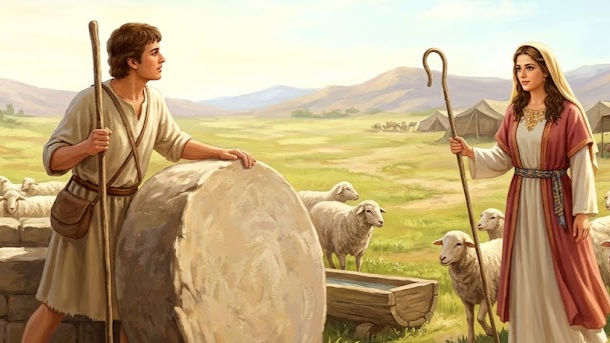
Jacob’s arrival in Haran marks a significant turning point in his life. After fleeing his brother Esau’s anger, Jacob travels to his uncle Laban’s household. The narrative begins with Jacob resting by a well, a common meeting place in ancient times. Here, he encounters Rachel, Laban’s younger daughter, who comes to water her father’s sheep.
This meeting is more than a chance encounter. It symbolizes new beginnings and the start of a complicated family story. Jacob’s immediate affection for Rachel shows his deep desire for connection and stability after years of conflict and uncertainty.
The Cultural Context of Marriage in Jacob’s Time
Marriage customs in the ancient Near East were different from modern practices. Marriages often involved negotiations between families, and love was not always the primary factor. A bride price or work agreement was common, as seen when Jacob agrees to work seven years for Rachel’s hand.
Jacob’s willingness to serve Laban for seven years reflects the value placed on marriage and family alliances. This long period of labor also highlights Jacob’s patience and commitment, qualities that would be tested later in the story.
Laban’s Deception and Jacob’s Response
The story takes a dramatic turn when Laban deceives Jacob by giving him Leah, the older daughter, instead of Rachel on the wedding night. This act of trickery creates tension and confusion. Jacob’s reaction is one of frustration but also acceptance, showing his respect for the customs that required the older daughter to marry first.
Jacob’s decision to work another seven years for Rachel demonstrates his love and determination. It also reveals the challenges of navigating family expectations and personal desires. This part of the story invites readers to consider how honesty and integrity play roles in relationships and the consequences when they are lacking.
Leah’s Role and Feelings in the Story
Leah’s position in this narrative is complex. She is described as having “weak eyes,” which some scholars interpret as a sign of sadness or lack of favor. Despite being unloved by Jacob, Leah becomes the mother of several of his children, playing a crucial role in the lineage of Israel.
Her story raises questions about identity, worth, and God’s purpose. Leah’s experience reminds readers that even those who feel overlooked or undervalued have a significant place in God’s plan. Her perseverance and faithfulness stand out amid difficult circumstances.
Rachel’s Position and the Rivalry Between Sisters
Rachel, the beloved wife, contrasts with Leah in many ways. She is described as beautiful and favored by Jacob. However, her initial barrenness causes pain and rivalry between the sisters. This tension reflects the human struggle with jealousy, insecurity, and the desire for acceptance.
The rivalry also highlights the social importance of children, especially sons, in that culture. Bearing children was tied to a woman’s status and security. Rachel’s story encourages readers to empathize with the emotional challenges faced by women in biblical times and to reflect on the value of compassion and understanding in relationships.
The Birth of Jacob’s Children and God’s Providence
The births of Leah’s and Rachel’s children mark the continuation of God’s covenant promises. Despite the complicated family dynamics, God blesses Jacob with many sons who become the ancestors of the twelve tribes of Israel.
This part of the story shows how God works through imperfect situations and people. The children born from these marriages are part of a larger divine plan that shapes the history of Israel and the world. It encourages readers to trust in God’s faithfulness even when circumstances seem difficult or confusing.
Lessons from Jacob’s Marriages for Today
Jacob’s marriages to Leah and Rachel offer several practical lessons:
Patience and perseverance matter in relationships and life goals.
Honesty and transparency are essential to avoid hurt and confusion.
Love can be complicated and may require effort and understanding.
God’s plan often unfolds through imperfect people and situations.
Value and respect for all individuals are important, regardless of their status or favor.
These lessons remain relevant for anyone navigating family, marriage, or personal challenges.
Reflecting on the Story’s Impact
This passage invites readers to reflect on their own relationships and the role of faith in difficult times. It challenges us to consider how we respond to deception, rivalry, and unmet expectations. It also encourages us to see God’s hand at work in the midst of complexity.
Jacob’s story is not just about ancient events but about human experiences that continue today. It reminds us that love, commitment, and faith require courage and grace.


Comments