Exploring Genesis 19:30-38 | The Complex Story of Lot and His Daughters
- inchristspiration

- May 8
- 3 min read
The story of Lot and his daughters in Genesis 19:30-38 is one of the most challenging and thought-provoking passages in the Bible. It raises questions about human nature, survival, morality, and the consequences of choices made under desperate circumstances. This passage follows the destruction of Sodom and Gomorrah and reveals a complex family dynamic that has puzzled readers for centuries. This study will explore the historical context, the actions of Lot and his daughters, and the theological and moral lessons we can draw from this difficult narrative.

Background and Context of Genesis 19:30-38
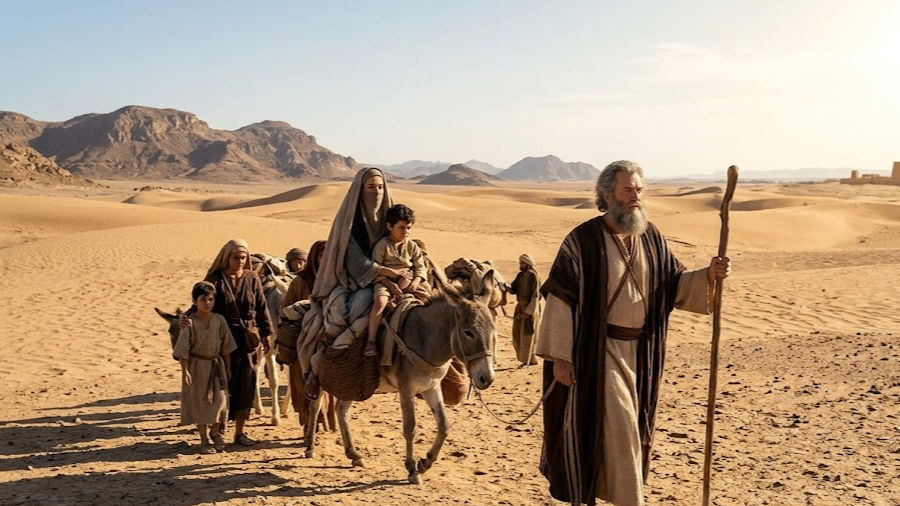
Before diving into the passage, it is important to understand the context. Lot, Abraham’s nephew, lived in Sodom, a city known for its wickedness. God decided to destroy Sodom and Gomorrah due to their great sinfulness, but He spared Lot and his family because of Abraham’s intercession. Lot fled with his two daughters to a cave in the mountains to escape the destruction.
The verses in Genesis 19:30-38 describe what happened after they settled in the cave. The daughters, believing they were the last people on earth, took drastic measures to preserve their family line. This story is often viewed with discomfort because it involves incest, but it also reflects the harsh realities and fears faced by people in ancient times.
The Actions of Lot’s Daughters
The daughters’ decision to intoxicate their father and conceive children by him is shocking. They feared the extinction of their family and took matters into their own hands. This act is not condoned in the Bible, but it is recorded honestly, showing the complexity of human behavior.
Fear of Extinction: The daughters believed the destruction of Sodom and Gomorrah meant the end of humanity, so they acted to preserve their lineage.
Use of Wine: They used wine to make their father drunk, which raises questions about consent and the moral implications of their actions.
Conception of Moab and Ammon: The children born from this union became the ancestors of the Moabites and Ammonites, two nations often in conflict with Israel.
This passage highlights the tension between survival instincts and moral boundaries. It also shows how God’s plan can work through imperfect human actions.
Theological Reflections on the Story
This story challenges readers to think about God’s sovereignty and human free will. Despite the morally questionable actions, God’s purposes were not thwarted. The descendants of Lot’s daughters played significant roles in biblical history.
God’s Sovereignty: God allowed the story to unfold and used it to fulfill His broader plan for the nations.
Human Imperfection: The Bible does not hide the flaws of its characters, reminding us that God works through imperfect people.
Judgment and Mercy: The destruction of Sodom was a judgment on sin, but God’s mercy extended to Lot and his family, even in their flawed state.
This passage invites believers to wrestle with difficult questions about sin, judgment, and redemption.
Moral and Ethical Lessons
While the story is difficult, it offers important lessons for today’s readers:
Consequences of Choices: Lot’s earlier decisions, such as living in Sodom, had lasting consequences for his family.
Desperation Can Lead to Poor Decisions: The daughters’ fear led them to actions that were morally wrong but understandable in context.
God’s Grace in Imperfection: Even in flawed situations, God’s grace can bring about His purposes.
These lessons encourage reflection on how fear and desperation can influence behavior and the importance of trusting God’s plan.
Historical and Cultural Insights
Understanding the cultural background helps clarify the story:
Ancient Near Eastern Context: Family lineage and offspring were crucial for survival and inheritance.
Role of Women: Women had limited options for securing their future, which may explain the daughters’ drastic actions.
Genealogical Importance: The Moabites and Ammonites were significant neighboring peoples, and their origins in this story explain some of the tensions in later biblical narratives.
This context helps readers see the story not just as a moral lesson but as part of a larger historical and cultural framework.
Practical Applications for Today
Though the story is ancient, it offers practical insights:
Facing Fear with Faith: When confronted with fear, it is important to seek God’s guidance rather than rely solely on human plans.
Honesty About Human Flaws: Recognizing human imperfection can foster compassion and humility.
Understanding God’s Work Through Imperfect People: God can use even difficult situations for good, encouraging believers to trust Him in their struggles.
These applications make the passage relevant for modern readers seeking to apply biblical truths in their lives.


Comments