Exploring Faith and Obedience in Genesis 22: The Sacrifice of Isaac Analysis
- inchristspiration

- May 10
- 4 min read
The story of Genesis 22:1-24, often called the Sacrifice of Isaac, stands as one of the most profound and challenging passages in the Bible. It confronts readers with questions about faith, obedience, trust, and the nature of God’s promises. This passage narrates a moment when Abraham faces a test that demands the ultimate sacrifice—his son Isaac. Understanding this story requires careful reflection on its historical, theological, and spiritual dimensions. This study will explore the key themes, characters, and lessons from Genesis 22, offering insights that deepen our appreciation of faith and obedience.

The Context of Genesis 22
Before diving into the passage, it is important to understand the background. Abraham, originally Abram, is a central figure in the Bible, known as the father of faith. God made a covenant with Abraham, promising that he would become the father of many nations and that his descendants would be as numerous as the stars (Genesis 15:5). Isaac, Abraham’s son with Sarah, is the child of promise, born when Abraham was 100 years old and Sarah was 90, a miraculous birth that fulfilled God’s promise.
Genesis 22 takes place after this promise has been fulfilled. The chapter begins with God testing Abraham’s faith by asking him to sacrifice Isaac. This request seems to contradict God’s earlier promise, creating tension and raising questions about trust and obedience.
The Test of Faith
The opening verse states, “God tested Abraham.” This test is not just about obedience but about faith in God’s character and promises. Abraham’s willingness to obey, even when the command seems to threaten the very promise God made, reveals a deep trust.
Abraham prepares without hesitation.
He rises early, showing eagerness and submission.
He carries the wood, fire, and knife, fully ready to comply.
This obedience is remarkable because Isaac is not only Abraham’s son but also the heir of God’s covenant. The test challenges Abraham to trust that God’s promise will stand, even if Isaac is sacrificed.
The Journey to Mount Moriah
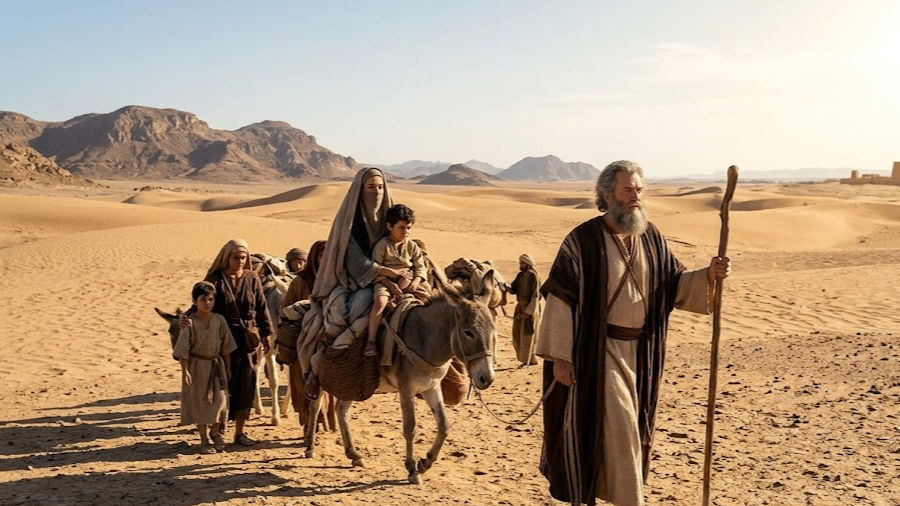
The narrative describes Abraham’s journey to the place God designated, traditionally identified as Mount Moriah. The journey itself is significant:
It takes three days, a period often associated with transformation or testing in biblical stories.
Abraham travels alone with Isaac, leaving the servants behind, emphasizing the personal nature of the test.
Isaac carries the wood for the burnt offering, symbolizing his role in the sacrifice.
This journey is both physical and spiritual, highlighting Abraham’s commitment and the weight of the moment.
Isaac’s Question and Abraham’s Response
As they ascend, Isaac notices the absence of a lamb for the offering and asks, “Where is the lamb for the burnt offering?” Abraham’s reply, “God himself will provide the lamb,” is a profound statement of faith and foreshadows the provision that will come.
This exchange reveals:
Isaac’s innocence and trust in his father.
Abraham’s unwavering belief that God will provide a solution.
The theme of divine provision, which is central to the story.
The Moment of Sacrifice
When Abraham builds the altar and binds Isaac, the tension reaches its peak. Abraham raises the knife to sacrifice his son, demonstrating complete obedience. At this critical moment, an angel of the Lord calls out to stop him, acknowledging Abraham’s fear of God and obedience.
This moment teaches several lessons:
God does not desire human sacrifice but tests faith.
Obedience to God is paramount, even in difficult circumstances.
God’s intervention shows mercy and provision.
The Ram as a Substitute
Abraham finds a ram caught in a thicket and offers it as a burnt offering instead of Isaac. This substitution is rich in symbolism:
It represents God’s provision and mercy.
It prefigures later biblical themes of substitutionary sacrifice.
It reassures believers that God provides a way out in times of trial.
The ram’s sacrifice confirms that God honors faith and obedience while providing grace.
God’s Promise Renewed
After the sacrifice, God reaffirms His covenant with Abraham, promising blessings and numerous descendants. This renewal emphasizes that faith and obedience lead to God’s favor and fulfillment of His promises.
Key points include:
God’s blessings extend beyond Abraham to all nations.
The promise is linked to Abraham’s trust and obedience.
Faith in God’s plan is rewarded.
Lessons on Faith and Obedience
Genesis 22 offers timeless lessons for believers:
Faith requires trust even when circumstances seem impossible. Abraham trusted God’s promise despite the apparent contradiction.
Obedience involves action without full understanding. Abraham obeyed without questioning God’s command.
God provides in unexpected ways. The ram symbolizes God’s provision when human efforts fall short.
Testing strengthens faith. Trials refine and deepen trust in God.
God’s promises are sure. Even when tested, God fulfills His word.
These lessons encourage believers to trust God fully and obey His guidance, even when it challenges human logic or emotions.
Practical Applications Today
The story of Abraham and Isaac remains relevant for modern readers:
When facing difficult decisions, believers can remember Abraham’s example of trust.
In moments of uncertainty, faith can provide peace and direction.
Obedience to God’s word leads to spiritual growth and blessings.
God’s provision may come in unexpected forms, encouraging patience and hope.
For example, someone facing a career change or health challenge might draw strength from Abraham’s faith, trusting that God will provide a way forward.
Conclusion: Embracing Faith and Obedience
Genesis 22 challenges readers to consider the depth of their faith and willingness to obey God. Abraham’s story shows that faith is not blind but rooted in trust in God’s character and promises. Obedience, even when difficult, opens the door to God’s blessings and provision. This passage invites believers to reflect on their own faith journeys and to embrace trust and obedience as keys to a meaningful relationship with God.


Comments