Exploring Divine Providence in Genesis 24: Isaac and Rebekah's Journey
- inchristspiration

- May 11
- 4 min read
The story of Isaac and Rebekah in Genesis 24 offers a powerful example of divine guidance and faith in action. This chapter reveals how God’s providence shapes the lives of individuals and families, even in the smallest details. Through the journey of Abraham’s servant to find a wife for Isaac, readers witness trust, prayer, and obedience working together to fulfill God’s promises. This Bible study will explore the key moments in Genesis 24:1-67, highlighting lessons about faith, decision-making, and God’s hand in everyday life.

Abraham’s Trust and the Mission of His Servant
The chapter begins with Abraham, now advanced in age, concerned about securing a wife for his son Isaac. Abraham does not want Isaac to marry a Canaanite woman but instead seeks a bride from his own relatives in Mesopotamia. This decision reflects Abraham’s desire to maintain the covenant lineage and the faith tradition.
Abraham entrusts his servant with a critical mission: to find a suitable wife for Isaac. The servant’s task is daunting because he must travel far and ensure the woman is willing to leave her family and homeland. Abraham’s instructions emphasize reliance on God’s guidance rather than human judgment alone.
Key points from this section include:
Faith in God’s guidance: Abraham prays that God will lead the servant to the right woman.
Clear mission and obedience: The servant commits to fulfilling Abraham’s instructions carefully.
Dependence on prayer: Before setting out, the servant prays for a sign to identify the chosen bride.
This part of the story teaches the importance of seeking God’s direction in major life decisions and trusting Him to provide.
The Servant’s Prayer and Divine Guidance
As the servant arrives near the city of Nahor, he stops by a well to pray. His prayer is specific: he asks God to show kindness by making the right woman offer water to him and his camels. This request is practical and symbolic, reflecting hospitality and willingness to serve.
The servant’s prayer shows:
Confidence in God’s ability to answer: He believes God will respond to his request.
Specificity in prayer: He asks for a clear, observable sign.
Humility and dependence: The servant acknowledges his need for divine help.
Soon after, Rebekah appears, fulfilling the exact conditions of the servant’s prayer. She offers water not only to him but also to his camels, demonstrating generosity and kindness.
This moment highlights how God answers prayers in ways that may seem ordinary but carry deep significance. It encourages believers to pray with faith and expect God’s involvement in daily events.
Rebekah’s Character and the Role of Hospitality
Rebekah’s actions at the well reveal her character. She is willing to serve a stranger and shows care for the camels, which require a large amount of water. Her behavior reflects qualities valued in biblical culture: kindness, hospitality, and a willing heart.
Her willingness to help the servant without hesitation suggests:
A generous spirit: She does not hesitate to meet the needs of others.
Obedience to family values: Hospitality was a key virtue in her community.
Potential readiness for a new life: Her openness foreshadows her acceptance of the marriage proposal.
Rebekah’s example encourages readers to cultivate a heart ready to serve and trust God’s plan, even when it leads to unexpected changes.
The Servant’s Testimony and Rebekah’s Family Response
After Rebekah’s act of kindness, the servant gives her gifts and explains his mission. He shares the story of Abraham and Isaac, emphasizing God’s guidance in the journey. This testimony serves as a witness to God’s faithfulness and the seriousness of the proposal.
Rebekah’s family listens carefully and prays for God’s will. They recognize the hand of God in the servant’s story and agree to let Rebekah go with him.
This part of the story shows:
The importance of clear communication: The servant explains his purpose openly.
Family involvement in decisions: The family seeks God’s will before consenting.
Recognition of divine providence: They see God’s hand in the events.
This teaches the value of involving trusted community and family in important decisions and seeking confirmation of God’s guidance.
Rebekah’s Journey and Meeting Isaac
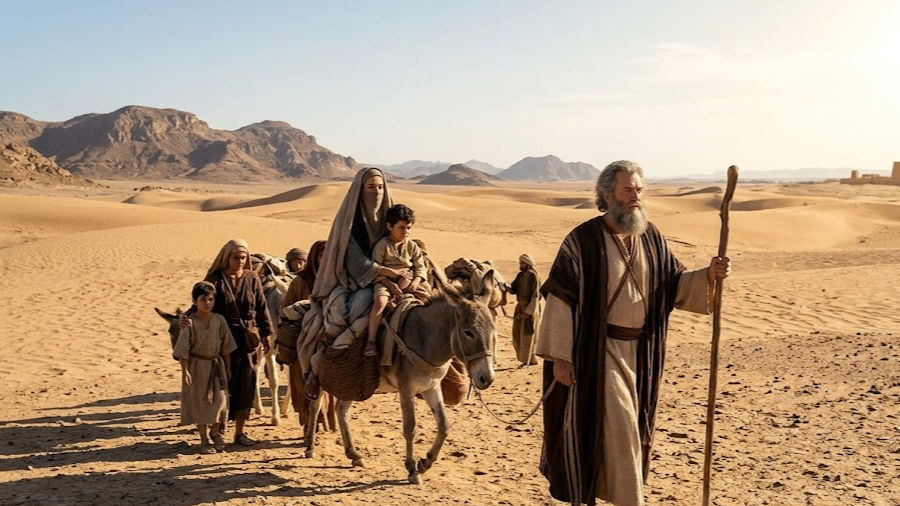
Rebekah agrees to leave her home and travel to meet Isaac. The journey is significant because it involves leaving familiar surroundings and trusting in God’s plan for the future.
When Rebekah meets Isaac, the Bible describes their encounter with tenderness. Isaac takes Rebekah into his mother Sarah’s tent, symbolizing acceptance and the beginning of a new family chapter.
Lessons from this final section include:
Courage to follow God’s call: Rebekah steps into the unknown with faith.
God’s timing and preparation: The meeting happens exactly as planned.
Blessing of new beginnings: Their union continues the covenant promise.
This encourages believers to trust God’s timing and be willing to step out in faith when called.
The story of Isaac and Rebekah in Genesis 24 shows how God’s providence works through prayer, obedience, and faith. Each character plays a role in fulfilling God’s plan, demonstrating that divine guidance often comes through ordinary actions and decisions. This passage invites readers to trust God in their own journeys, seek His direction clearly, and act with faith and courage.


Comments