Revisiting Genesis 33:1-20 Through Poetic Imagery of Jacob and Esau's Reunion
- inchristspiration

- May 16
- 3 min read
The story of Jacob and Esau’s reunion in Genesis 33:1-20 is a powerful narrative of reconciliation, forgiveness, and the restoration of family bonds. This passage captures a moment filled with tension, humility, and ultimately, peace. To explore this deeply human encounter, we turn to poetry as a lens to bring fresh insight and vivid imagery to the ancient text. This blog post presents a poem inspired by the reunion, followed by an exploration of its themes and lessons that remain relevant today.
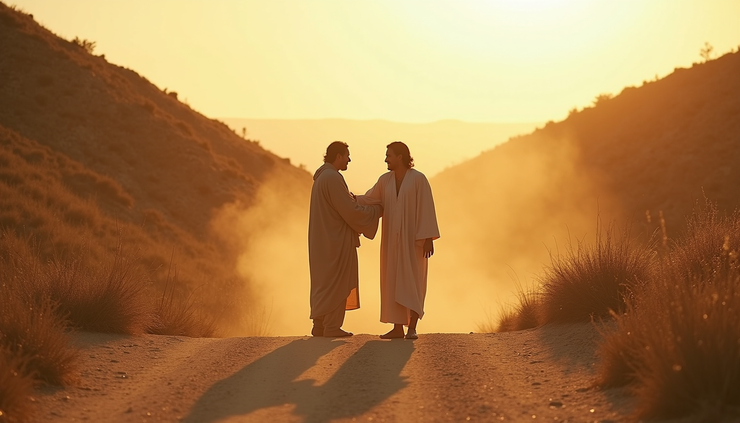
The Poem: When Brothers Meet Again
On a dusty road beneath the sun’s soft gaze,
Two shadows stretch from hills where memories blaze.
Jacob’s heart pounds, a drum of years gone by,
Esau’s eyes soften, no anger, no sigh.
Gifts laid down like olive branches in the sand,
Words unspoken, yet understood, hand in hand.
The past’s sharp edges dull in the light of grace,
Two brothers stand, no longer a race.
The flocks and herds, a silent witness near,
To the healing of wounds, to the shedding of fear.
Jacob bows low, a gesture of peace,
Esau’s embrace bids old grudges cease.
In that moment, time folds and bends,
Enemies turned kin, where love transcends.
The road ahead, uncertain but bright,
Guided by stars in the coming night.
This poem captures the emotional landscape of the reunion, emphasizing the transformation from fear and estrangement to acceptance and hope.
Understanding the Context of Genesis 33:1-20
Jacob and Esau were twin brothers whose relationship was marked by rivalry and conflict. Jacob had previously taken Esau’s birthright and blessing, which led to Esau’s anger and Jacob’s flight. Years later, Jacob returns home, uncertain of Esau’s reaction. The passage describes their meeting, highlighting Jacob’s cautious approach and Esau’s surprising forgiveness.
Key moments include:
Jacob’s careful preparation: He divides his family and possessions into groups to protect them.
The act of bowing: Jacob bows to Esau multiple times, showing humility.
Esau’s unexpected kindness: Instead of anger, Esau runs to embrace Jacob.
The exchange of gifts: Jacob offers gifts as a gesture of goodwill.
The peaceful parting: After their reunion, Esau returns to Seir, while Jacob settles in Canaan.
Themes Explored Through Poetic Imagery
Reconciliation and Forgiveness
The poem reflects the core theme of reconciliation. The imagery of "olive branches in the sand" symbolizes peace offerings, while the "embrace" represents the healing of old wounds. Forgiveness is not just a spoken word but a physical act that restores broken relationships.
Humility and Courage
Jacob’s bowing is a powerful symbol of humility. The poem’s line "Jacob bows low, a gesture of peace" captures the courage it takes to approach someone who once harbored anger. This humility opens the door to reconciliation.
Transformation of Relationships
The poem’s closing lines, "Enemies turned kin, where love transcends," highlight the transformation from hostility to brotherhood. This change is central to the biblical narrative and resonates with anyone who has experienced conflict and resolution.
Hope for the Future
The final stanza points to the uncertain but hopeful future. The "road ahead" and "stars in the coming night" suggest guidance and optimism, even when the path is unclear.
Practical Lessons from Jacob and Esau’s Reunion
This ancient story offers timeless lessons for personal and communal relationships:
Approach with humility: When seeking to mend broken ties, humility can soften hearts and open dialogue.
Offer gestures of goodwill: Small acts, like Jacob’s gifts, can pave the way for reconciliation.
Be open to forgiveness: Esau’s willingness to forgive shows the power of letting go of past grievances.
Prepare for uncertainty: Like Jacob, it’s wise to be cautious but hopeful when facing difficult reunions.
Value peace over pride: Choosing peace often requires setting aside pride and embracing vulnerability.
Applying the Poem to Modern Life
The poem invites readers to reflect on their own relationships. Whether with family, friends, or colleagues, the emotions of fear, hope, and forgiveness are universal. The imagery encourages us to:
Visualize reconciliation as a journey, not a single event.
Recognize the courage it takes to reach out.
Understand that healing is a process involving both giving and receiving.
Conclusion: Embracing the Path of Reconciliation
Jacob and Esau’s reunion is more than a biblical story; it is a mirror reflecting the challenges and possibilities in our own lives. Through poetic imagery, we gain a deeper appreciation of the emotions and actions that lead to peace. This passage reminds us that even the deepest wounds can heal when met with humility, forgiveness, and hope.


Comments