Exploring Faith and Obedience in Genesis 12:1-9 | The Call of Abram
- inchristspiration

- May 4
- 3 min read
The story of Abram’s call in Genesis 12:1-9 marks a pivotal moment in biblical history. It introduces a journey of faith and obedience that shapes the foundation of the Israelite nation and influences countless generations. This passage reveals how Abram responded to God’s call with trust and action, setting an example for believers today. Understanding this passage helps us grasp the nature of faith, the cost of obedience, and the blessings that follow.
The Context of Abram’s Call
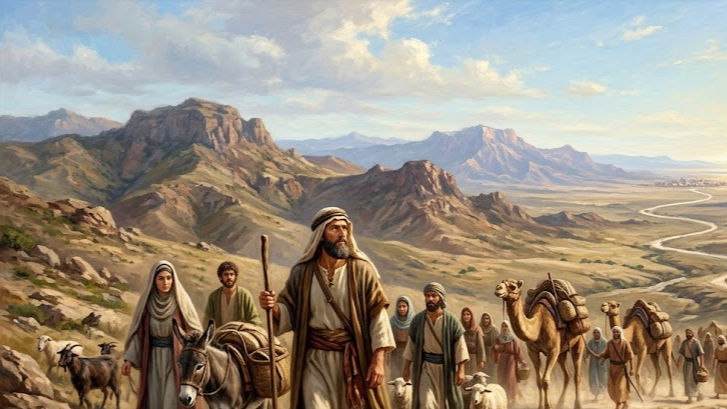
Before God called Abram, he lived in Ur of the Chaldeans, a prosperous city with established gods and customs. God’s invitation to Abram was radical: leave everything familiar—his country, family, and father’s house—and go to a land God would show him. This command was not just about physical relocation; it was a call to trust God’s promises without knowing the destination.
This moment is significant because it marks the beginning of God’s covenant relationship with Abram. God promised to make Abram into a great nation, bless him, and make his name great. These promises were the foundation for the identity of Abram’s descendants and the unfolding story of salvation.
Understanding Faith in Abram’s Response
Abram’s faith is evident in his immediate obedience. He did not hesitate or question the risks involved. Leaving behind security and stepping into the unknown required deep trust in God’s character and promises.
Faith here is more than belief; it is action based on trust. Abram’s journey shows that faith often involves uncertainty and sacrifice. He did not have a detailed map or clear timeline, yet he moved forward because he believed God’s word.
This teaches us that faith requires stepping out even when the future is unclear. It challenges believers to trust God’s guidance and timing, even when circumstances seem uncertain or risky.
The Role of Obedience in Abram’s Journey
Obedience is the natural response to faith. Abram’s willingness to leave his home and follow God’s direction demonstrates obedience that flows from trust. This obedience was not passive; it involved active decision-making and sacrifice.
God’s call demanded a break from Abram’s past life and a commitment to a new path. Obedience meant leaving behind familiar comforts and relationships. This highlights that obedience to God often requires difficult choices and prioritizing God’s will above personal desires.
Abram’s example encourages believers to respond to God’s call with action, not just words. Obedience is a tangible expression of faith that leads to growth and blessing.
The Promises God Made to Abram
God’s promises to Abram in this passage are profound and far-reaching:
Make you into a great nation
Bless you and make your name great
Bless those who bless you and curse those who curse you
All peoples on earth will be blessed through you
These promises emphasize God’s plan to use Abram and his descendants to bring blessing to the entire world. The promise of a great nation points to the future nation of Israel. The blessing of all peoples foreshadows the coming of the Messiah through Abram’s lineage.
These promises required faith and obedience to be fulfilled. Abram’s journey was the beginning of a covenant relationship that shaped the destiny of many.
Abram’s Journey and the Significance of the Land
As Abram traveled, he passed through various regions, including Canaan, where God promised to give the land to his descendants. Abram built altars along the way, signifying worship and acknowledgment of God’s presence and guidance.
The land represents more than territory; it symbolizes God’s provision and faithfulness. Abram’s willingness to settle in an unknown land reflects his trust in God’s promises.
This journey also teaches that faith involves ongoing commitment. Abram did not reach his destination immediately but continued to trust and obey through the journey.
Lessons from Abram’s Call for Today’s Believers
Abram’s story offers practical lessons for anyone seeking to live by faith:
Trust God’s promises even when the future is unclear
Obedience requires action and sacrifice
Faith involves stepping out of comfort zones
God’s plans often involve blessing others through us
Worship and acknowledge God throughout the journey
Believers today face their own “calls” to trust and obey God in various areas of life. Abram’s example encourages us to respond with courage and faith, knowing that God’s promises are sure.
The Impact of Abram’s Faith on Future Generations
Abram’s faith set in motion a story that shaped the history of Israel and the world. His descendants became the nation of Israel, and through them, the Messiah came to bring salvation to all people.
This passage reminds us that faith and obedience have lasting effects beyond our own lives. Our choices can influence generations and contribute to God’s greater plan.
Abram’s journey encourages believers to consider how their faith impacts others and to live with a sense of purpose and trust.


Comments