A Poetic Reflection on Sarah's Death and Burial in Genesis 23
- inchristspiration

- May 10
- 3 min read
The story of Sarah's death and burial in Genesis 23 is a profound moment in the biblical narrative. It marks not only the passing of a matriarch but also the establishment of a sacred place for Abraham’s family. This passage reveals themes of love, respect, and the importance of legacy. Through poetry, we can explore the depth of this event, capturing its emotional and spiritual resonance.
The Context of Sarah’s Passing
Sarah’s death at the age of 127 is recorded with solemn respect. She was Abraham’s wife, a partner in faith and journey. Her passing is not just a family loss but a moment that sets a precedent for honoring the dead with dignity.
Abraham’s response to Sarah’s death shows his deep love and respect. He seeks a burial place, not just any land, but a permanent home for Sarah’s body. This act reflects the importance of family heritage and the desire to leave a lasting mark.
The Significance of the Burial Site
Abraham negotiates with the Hittites to buy the cave of Machpelah. This transaction is significant for several reasons:
Ownership: Abraham insists on paying for the land, establishing a legal claim.
Respect: The negotiation is conducted with courtesy and honor.
Legacy: The cave becomes the family burial site, a symbol of continuity.
This moment highlights the value placed on land and memory in ancient times. It also shows Abraham’s foresight in securing a resting place for future generations.
A Poetic Journey Through Genesis 23
To bring this passage to life, here is a poem inspired by the narrative, reflecting on the emotions and themes involved.
Sarah’s Rest
In the twilight of her days,
A gentle breath fades away,
Sarah, matron of the promise,
Leaves the world where shadows play.
Abraham stands with heavy heart,
A husband’s love, a faithful part,
Seeks a place where bones may lie,
Beneath the vast and endless sky.
The Hittites gather, voices kind,
A land to buy, a peace to find,
No gift, no favor, just respect,
A covenant of earth, direct.
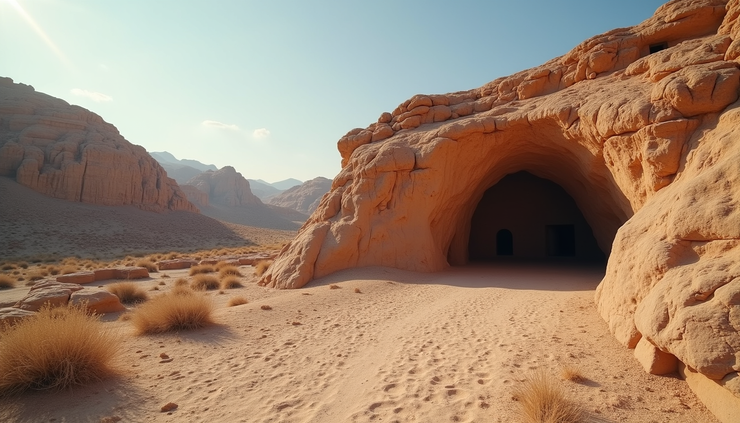
The cave of Machpelah, cool and deep,
Where silent stones their vigil keep,
A resting place for Sarah’s frame,
A sacred ground, a lasting name.
Here lies the past, the hope, the seed,
In earth’s embrace, a final deed,
A story told in stone and dust,
Of love, of faith, of sacred trust.
Lessons from Sarah’s Burial
This passage teaches us several important lessons:
Honoring Loved Ones: Abraham’s care in securing a burial place shows the importance of honoring those who have passed.
Respect in Negotiation: The respectful dialogue with the Hittites models how to handle difficult conversations with grace.
Legacy and Memory: Establishing a family burial site reflects the human desire to be remembered and to connect generations.
These lessons remain relevant today in how we approach loss, memory, and respect for others.
Reflecting on the Emotional Depth
Sarah’s death is more than a historical event. It is a moment filled with grief, love, and hope. The poem captures the quiet sorrow and the dignity of the burial process. It invites readers to consider their own experiences with loss and remembrance.
The Spiritual Dimension
For believers, this story also carries spiritual meaning. It reminds us of the promises made to Abraham and Sarah, and the faith that sustains through life and death. The burial site becomes a symbol of God’s covenant and the unfolding story of a people.
Sarah’s death and burial in Genesis 23 offer a rich narrative full of meaning. Through poetry, we can connect emotionally and spiritually with this ancient story. It encourages us to honor our loved ones, respect others, and cherish the legacies we build.


Comments